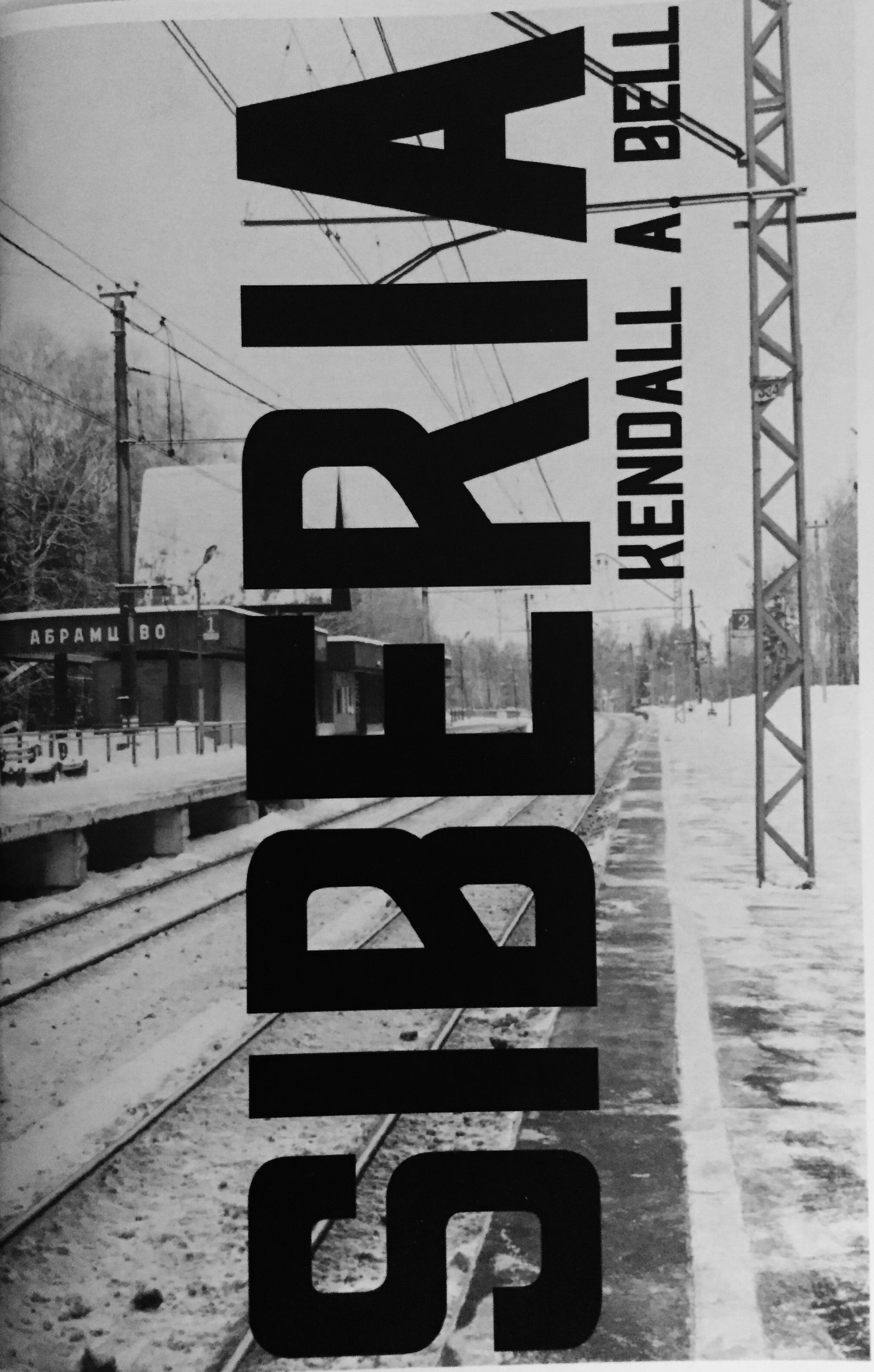









Richard Wink’s new poetry book Dead End Road, published internationally by BeWrite Books (UK), reviewed by Lynn Alexander. An interview with Richard Wink is forthcoming in PRATE.
 UK poet Richard Wink has been published widely and has released six poetry collections through various publishers, such as erbacce, Trainwreck Press, Shadow Archer Press, and more. His poetry has appeared here at Full of Crow Poetry, and he has been active in the independent press scene through his support for small and independent presses and his work with Gloom Cupboard.
This poetry collection, through BeWrite Press, will also be available as an eBook- the “way of the future” and a medium that has already been embraced by small presses as a remedy to the costly and prohibitive process of connecting writers and readers.
Dead End Road includes over fifty poems, both previously published and new work, most of the poems have not been published before.
Richard Wink is an observer of people and context: behaviors, subtle quirks, mannerisms, placement of people in their significant environments. He begins the collection with a poem about a man who is recovering from an operation, who eats lasagna from a tupperware container from a caretaker and gets lowered into his bath “like a whale”. He does not focus on the nature of the operation or the specifics of the man’s situation, but instead describes the hidden details of convalescence, such as the way his thighs grow damp- suggestive of his sedentary life in the rocking chair as the shadows change around him with passing time. (Time- I’ll get back to that theme)
Wink starts by talking about this man as behind a curtain- this establishes right away what his intentions are with these poems as many read just that way- like glimpses at people and lives behind curtains. We are essentially peering into different lives, at times perhaps different points in common lives.
A housewife looks for diversion, avoiding… something. A commuter must cope with losing his right to drive. A woman worries about lipstick in her car mirror. Another woman slips into alzheimer’s. A photographer stalks celebrities, snapping “upskirts” to sell for “dirty” money, trying to figure out which images will rate in the transient economy of gossip news brokering. (“Pop Sluts” “Rock Twats”, classic Richard Wink descriptives!)
A brunette needs a good shampoo, a couple swaps their cityscape, commuters, workers, tangled in cables and cars and lines. People weave in and out of different kitchens with different perspectives on utensils and one another.
Something stood out in “Student House Party”, a new style, a new pace, something changed in my reading of that poem and a few subsequently. In some of the poems, Wink tosses text in succession, rapid shots of connected but terse snippets. Perhaps it would be more accurate to say that some of his poems seem like they should be read out loud- but presented in monotone blurbs, read in a cycling way with pauses like the skips on old 45’s, recitations.
My favorite is “A Bosch Moment”, it brings the collection’s title home, the meaning, what is REALLY knocking on our doors, behind the curtain, the horror of realization as a process- time, death, inevitable dead ends. It comes right after a close second “The Daughter”, another standout poem. There is that rhythm, and he remains the observer of subtle characteristics, but he also gets surreal and strange and so many things come together there, things I am coming to look for in his work.
It might have been intentional, I think that it was despite my sense that Richard Wink isn’t very “in your face” about his methods and some of his creative decisions might seem arbitrary, I don’t think they are- that said– the poem after Bosch (The Silver Birch Tree) again references curtains only now he wants to close them. From what? The demanding customer? Tomato lava drama? Time? The sea? The poems after this have more bias, the observations seem to include more irritants, perhaps with domesticity or spoons on vinyl versus doc martens. Are we seeing some elements of crisis there, the poet who begins with basic observations who moves through the poems from interest to revulsion?
I note here in a purely speculative way that even Wink’s author photograph is different. He looks downright patriarchal.
Is this part of the “Bosch” moment, a half-humorous way of describing the turning point in many people’s lives where they go along and go through motions of maturity, only to step back in shock, horror? Ordinary elements rendered monsterly, the living become crouching crabs and typing tits, reality merging with the surreal. Is Wink relaying something about transition?
I can’t help but think that Richard Wink is getting existential here. The Model is dirty, set up on the settee. The Model, The Bachelor- now far from the sea. And what of the women? Now the wife is separate from her “pathetic husband”, the dentist, credentials with cobwebs, lethargic and boring, all. There is life, and there is ontology- does it all come to blows behind the door, the knocking, is it reality? Irrelevance?
There are relationships explored here, roles and neutral unnamed family members seated at tables, observing, in their roles (seats). Then we jump to the childless men preparing for a civil union, talking about life insurance. Mothers, men, women, bachelors, wives and husbands, the lady of the purple vineyard, parents and visiting children. People moving away from baggage and the sea.
What holds this together, the snippets between the pauses, are increments of passing time. Time is what happens to the people behind the curtains, time marches on for everyone- irrespective of role. Time is the enemy of the husband and the bachelor alike, time brings the “Bosch moment”, the crisis. Time twists things, twists people, juxtaposed.The realization of the dead end is horrible.
Time passes for the man in the rocking chair, the embers, the people in their kitchens, commuters, ranters with tired swear words, the pious, the irreverent, the internet surfer, the people at the end, the people stuck in overtime. Time passes and all will end, all will reach the end of the road, the dead end, the curtains can be closed and so can our eyes but it comes. It knocks.
Published internationally by BeWrite Books, UK.
32 Bryn Road South, Wigan, Lancashire, WN4 8QR.
© Richard Wink 2009