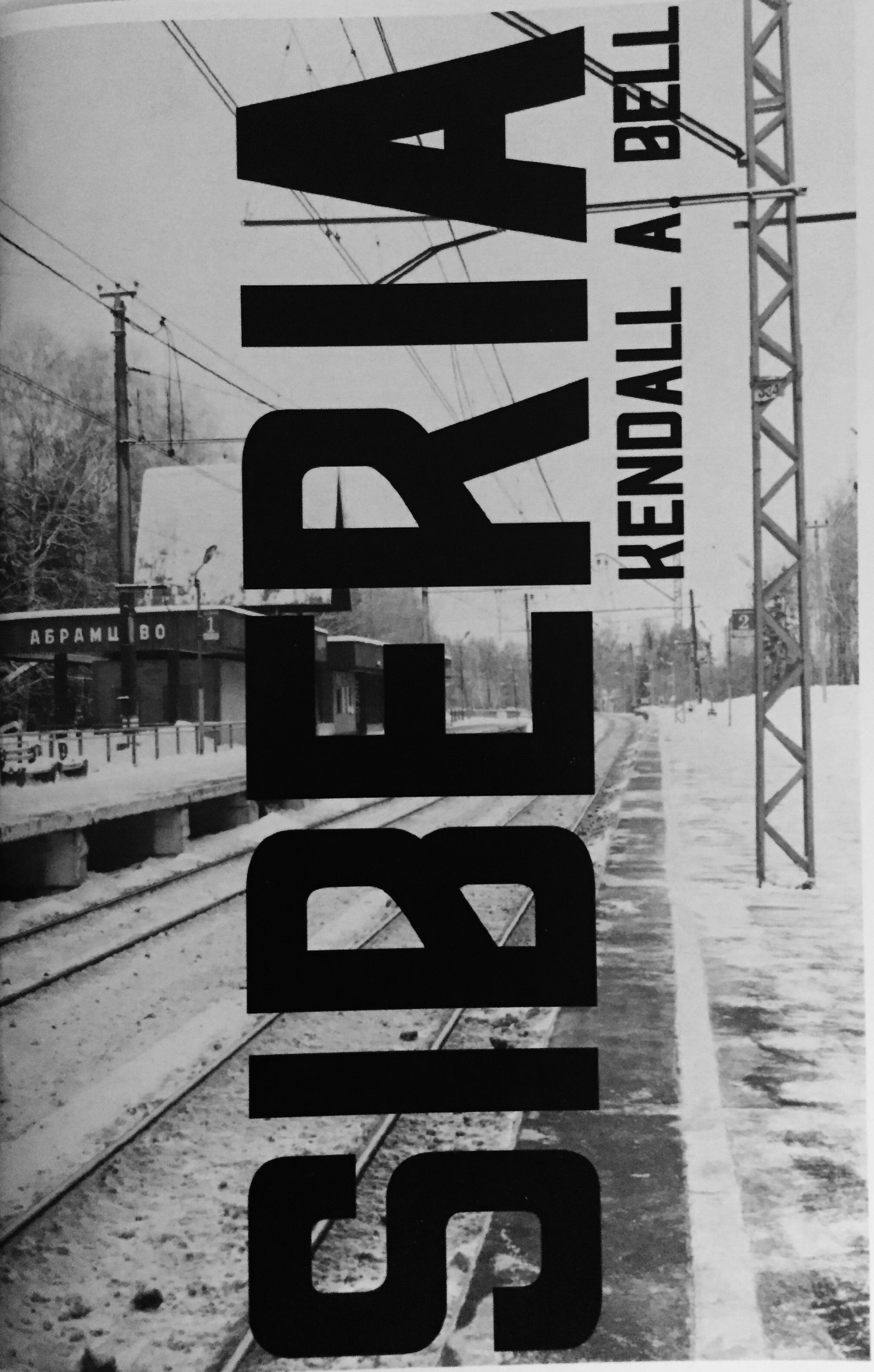
“No Asylum”, by Nicholas Karavatos, published by Amendment Nine, Arcata, California.
No Asylum is Karavatos’ first full length collection, and he recently wrapped up a book tour in the U.S. on the west coast. He has now returned to Dubai, where he teaches literature and writing at the American University of Sharjah in the United Arab Emirates.
I started the book after hearing him read from No Asylum in Sausalito at Studio 333, and at Priya in Berkeley where I felt truly honored to share the “stage”. Karavatos is a strong reader, respected as one of California’s own despite his time at Sharjah and Muscat, his events recommended by an appreciative local poetry community. I read most of it in one sitting, without interruption, despite the length- and I am glad that I read it that way. The poems stand on their own and many have been published previously (West Wind Review, Portland Review, Minotaur, Red Fez, Thieves Jargon, and more) but there is a sense of cohesion in the way that he has organized them and thematic relationships emerge in the experience of them read together.
Karavatos begins with the ticking of descending elements: social to intimate, then up through ascending years. Before you can jump in, you have to consider why Karavatos chose to begin this way- my sense is that he is establishing the pattern, establishing the parameters of the lens, changing scale. Scale is an important element because it is often easier to understand power and the dynamics of coerced consciousness in terms of individuals as compared to the individual in societal context. Think about the difference between a year and a lifetime, or two people in a relationship as compared to two nations at war, both fraught with their complexities but with scale we can focus more on interplay, absent the distractions of perceived scope. He will return to years again at the end- this, the first of many places in “No Asylum” where we see layers shifting along co-occuring grades, coupled yet distinct, as David Meltzer states: “…sharp voiced political poetry in tandem with astute and tender love lyrics.”
Meltzer’s characterization proves helpful for the reader who second guesses this recognition as there is subtlety to this achievement, seamless but later, unmistakable.
Your niche is a door to God
My qibla vulva (“The al-Masjid Code”)
In the first poem, “Rapunzel Akbar”, the speaker finds himself considering Kabul via media reporting. It is the land of social control, often described with that eye for contrast that seeks to divide people into “enemy others” compared to the free United States: “jail for lewdly selling ice cream to girls”. (11) This is the new mandate of the media, supporting distinctions. And of course, supporting the State. Continue reading